

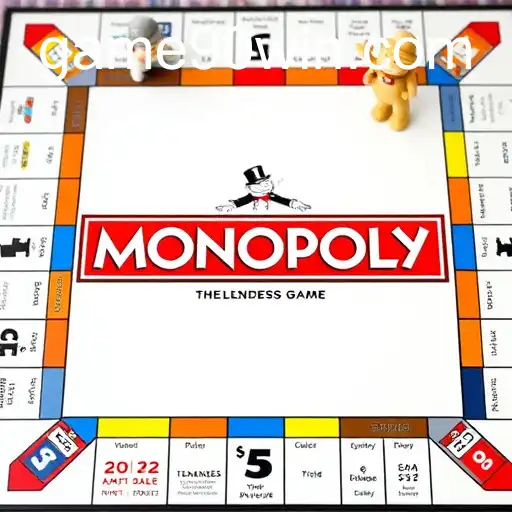

Monopoly is more than just a board game; it is a cultural icon that has transcended generations since its creation in the early 20th century. The game's premise of capitalistic acquisition, wealth accumulation, and real estate domination encapsulates the core economic behaviors observed in society. Over the years, Monopoly has afforded numerous editions and adaptations, shifting perspectives while remaining grounded in its traditional roots. One such recent trend is the concept of Game90, which seeks to redefine the player's experience with quicker, more dynamic gameplay.
The game of Monopoly was originally designed by Elizabeth Magie as "The Landlord's Game" in the early 1900s to illustrate the negative aspects of concentrating land in private monopolies. In 1935, Parker Brothers began mass-producing the version we recognize today under the name "Monopoly." The game captures the essence of real estate investment, offering players a simulated ride through property purchasing and strategic financial planning.
For decades, Monopoly has been more than a game—it has played a significant role in educating individuals about basic economic principles. It also serves as an entertaining insight into the essence of capitalism, fostering discussions on wealth distribution and strategic thinking. Over time, different editions and variations have emerged, including local city editions, thematic editions based on movies and television shows, and digital versions to cater to the modern, tech-savvy audience.
In today's fast-paced world, time-efficient versions of traditional games are gaining popularity, and Monopoly is no exception. The introduction of the Game90 concept to the Monopoly family aims to keep players engaged with a more streamlined approach. Unlike traditional versions where games can stretch on for hours, Game90 modifies the rules to condense the experience into approximately 90 minutes, without losing the essence that makes Monopoly captivating.
The Game90 version introduces several alterations to expedite play: a streamline of property management rules, faster transactions, and changes in player objectives that encourage a fleeting yet intensive game session. These adaptations acknowledge the shifting demands of modern gamers, who often seek fun and interaction within a limited timeframe.
One of the hallmarks of Game90 is its designed speed in transactions. By implementing simple financial interactions, the game reduces the typical downtime associated with more prolonged negotiations among players. This allows more focus on decision-making rather than processes.
Game90 incorporates a rule set that prompts dynamic market conditions, impacting the property value and player fortunes more rapidly. Such changes make the experience unpredictable, maintaining engagement through fluctuating economic scenarios.
The reception of Game90 has been notably positive among younger audiences and those new to Monopoly. Players appreciate the contemporary pace that accommodates today's lifestyle, where leisure time can be a precious commodity. Seasoned players, conversely, find interest in the revamped rules, offering a fresh layer of strategy.
Feedback from the gaming community underscores the innovative balance of retaining core Monopoly mechanics while injecting invigorating pace. This balance ensures that Monopoly remains relevant in a market flooded with novel board game concepts.
At its core, Monopoly continues to serve as an educational platform. The game operates as a microcosm of the real world, providing players with insights into economic strategies such as property investment, debt management, and auction dynamics. With Game90, these lessons are imparted with increased focus and immediacy, potentially making them more accessible to modern players.
Players learn the importance of diversifying holdings, managing liquidity, and timing in business transactions. These skills, though gamified, resonate with real-world applications, contributing to personal financial literacy in an engaging manner.
As Monopoly continues to evolve, its impact persists, underscoring the significance of strategy games in both education and entertainment. The new wave of condensed gameplay formats like Game90 reflects a greater trend towards accessibility and inclusivity in board games. With such adaptations, Monopoly not only maintains its legacy but also paves the way for future generations of strategists to join in the fun.
The game’s transformation resonates historically and culturally while addressing the demands of a modern audience, bridging traditional and contemporary gaming landscapes in an ever-evolving spectrum.
For more exciting changes and updates in the gaming industry, be sure to stay connected with us through our homepage.

Explore the captivating universe of SuperAce and master its rules in this comprehensive guide.

Explore the immersive world of DollarBombs, an exciting game that combines strategy, luck, and real-world events, using Game90 as a guide.

Explore FireChibi, a thrilling new game that combines strategy, adventure, and fun. Dive into its rules and features in this comprehensive guide.
Explore the exhilarating world of Treasures of Aztec, a captivating game that combines strategy and adventure. Delve into its introduction, gameplay, and the adrenaline-pumping rules.
Dive into the engaging world of SupermarketSpree, where nostalgia and fun converge in game90 with exciting gameplay and rules.
Dive into the world of RomaX with our comprehensive guide on Game90. Discover the engaging storyline, rules, and captivating gameplay mechanics.
